

Wellbeing and Personal Development as a Priority
At LS-TEN wellbeing is at the heart of everything we do. As a specialist SEMH setting, we understand that many of our young people have experienced barriers to education, and that feeling safe, understood and regulated is essential before meaningful learning can take place.
Our approach is informed by research in trauma-informed practice, attachment theory and neurodiversity-affirming approaches. We recognise that behaviour is a form of communication, and we work closely with each young person to understand their needs, strengths and experiences.
We are proud to be a diverse team, including neurodivergent staff who act as authentic role models for our students. We listen carefully to our young people and their families, and we continually adapt our practice to ensure we are meeting need in a responsive, thoughtful and evidence-informed way.
Wellbeing at LS-TEN is never an “add-on” — it’s embedded in our environment, our relationships and our daily routines.
Movement, Activity and Engagement
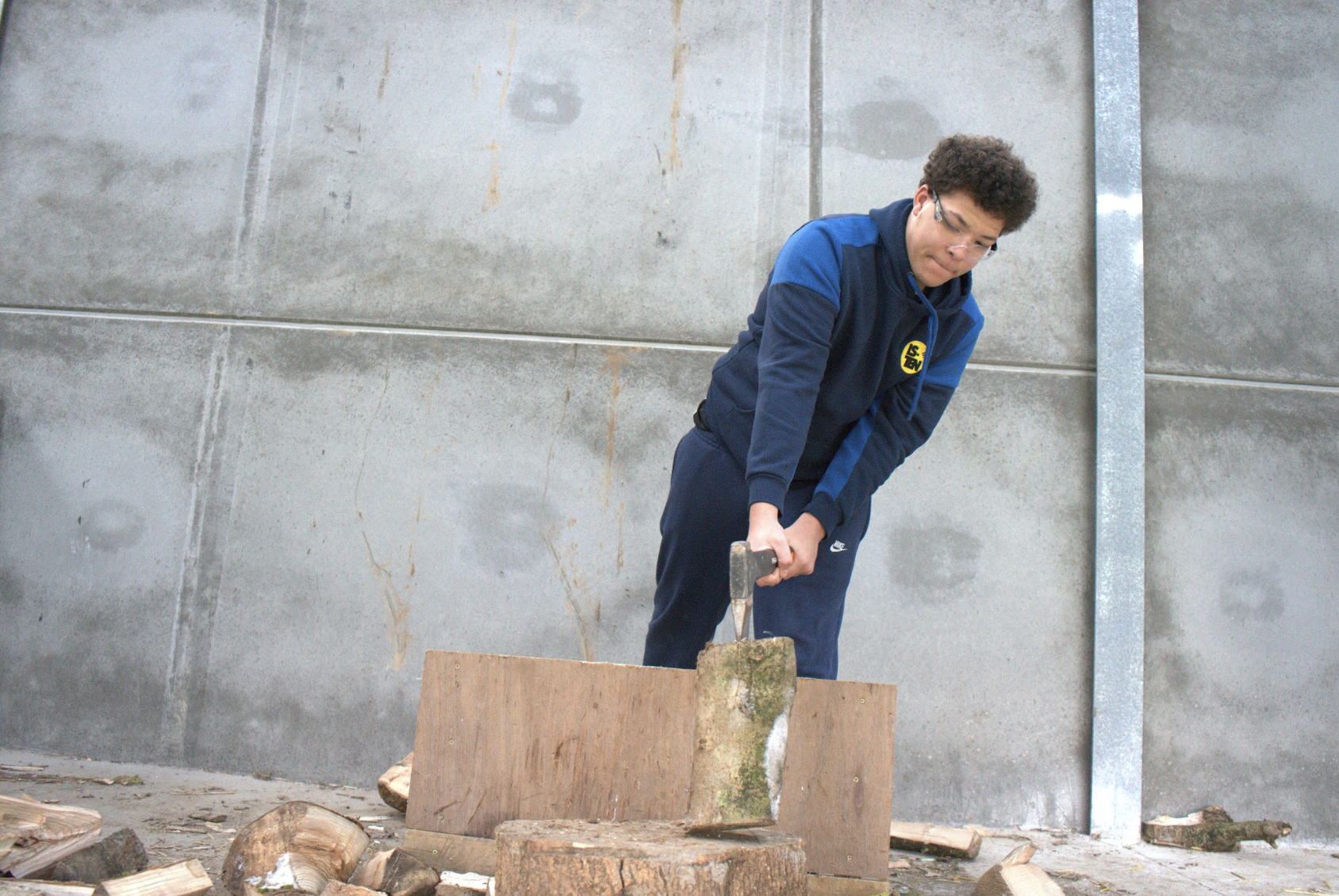
We offer daily access to our indoor and outdoor skatepark, supported by our qualified Skateboard GB and British Cycling coaches.
We offer opportunities to engage in activities outside of the school including weekly trips to the local boxing gym, and sessions in the climbing wall.
Physical activity is a key part of our approach to wellbeing. Movement supports:
Emotional regulation
Focus and concentration
Confidence and resilience
For many of our students, this provision provides a positive and meaningful outlet, helping them to re-engage with education.
Regulation and Support through Connection
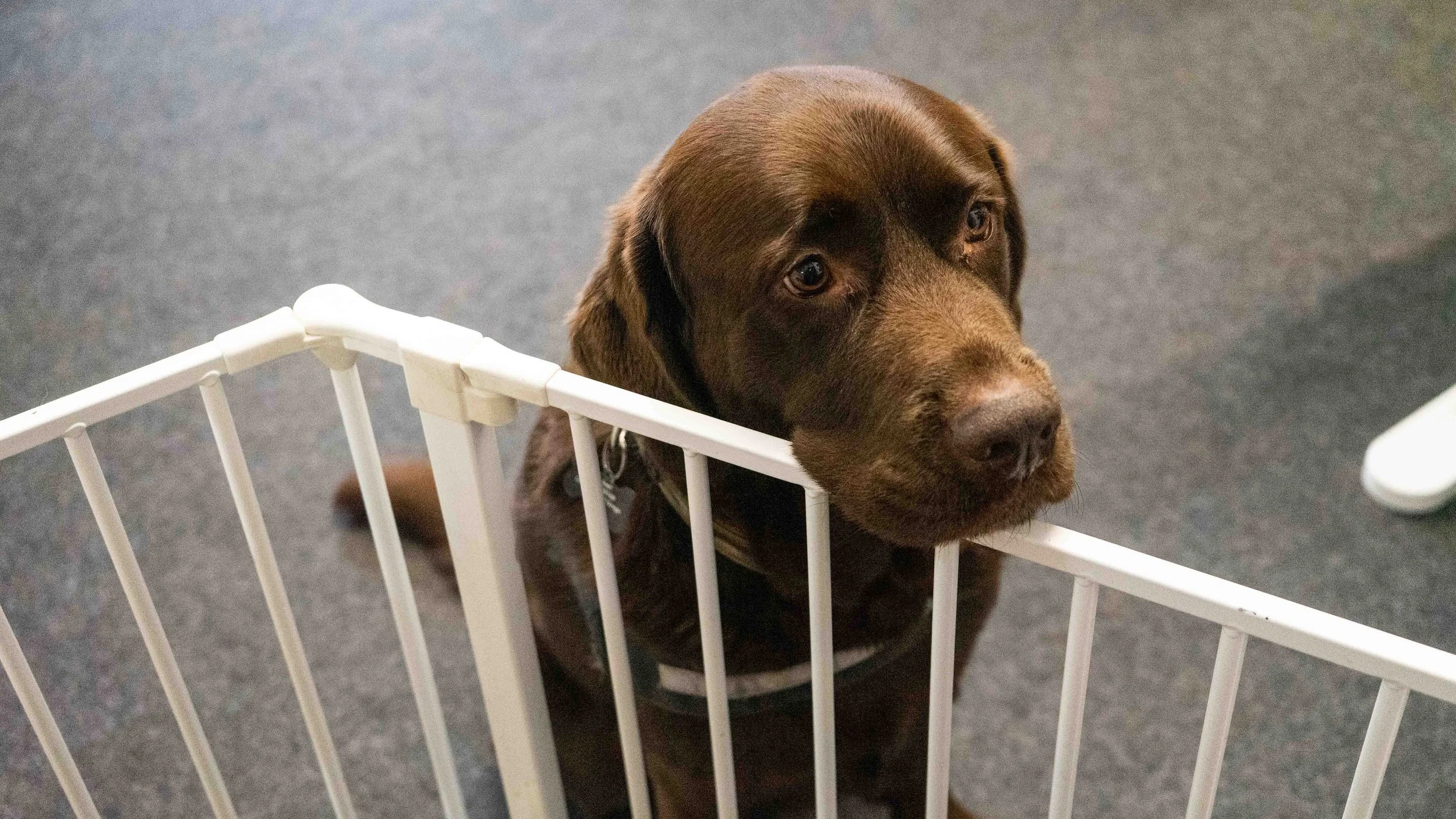
Our school dogs play an important role in supporting students with emotional regulation. They provide calm, non-judgemental companionship and can help students to feel safe and settled.
Students may:
Spend time with a dog during a regulation break
Take part in outdoor activities such as gardening
Read to a dog to build confidence and reduce anxiety
Animal-assisted approaches are widely recognised for their positive impact on emotional wellbeing, helping to reduce stress and support engagement.
Environments designed for Wellbeing
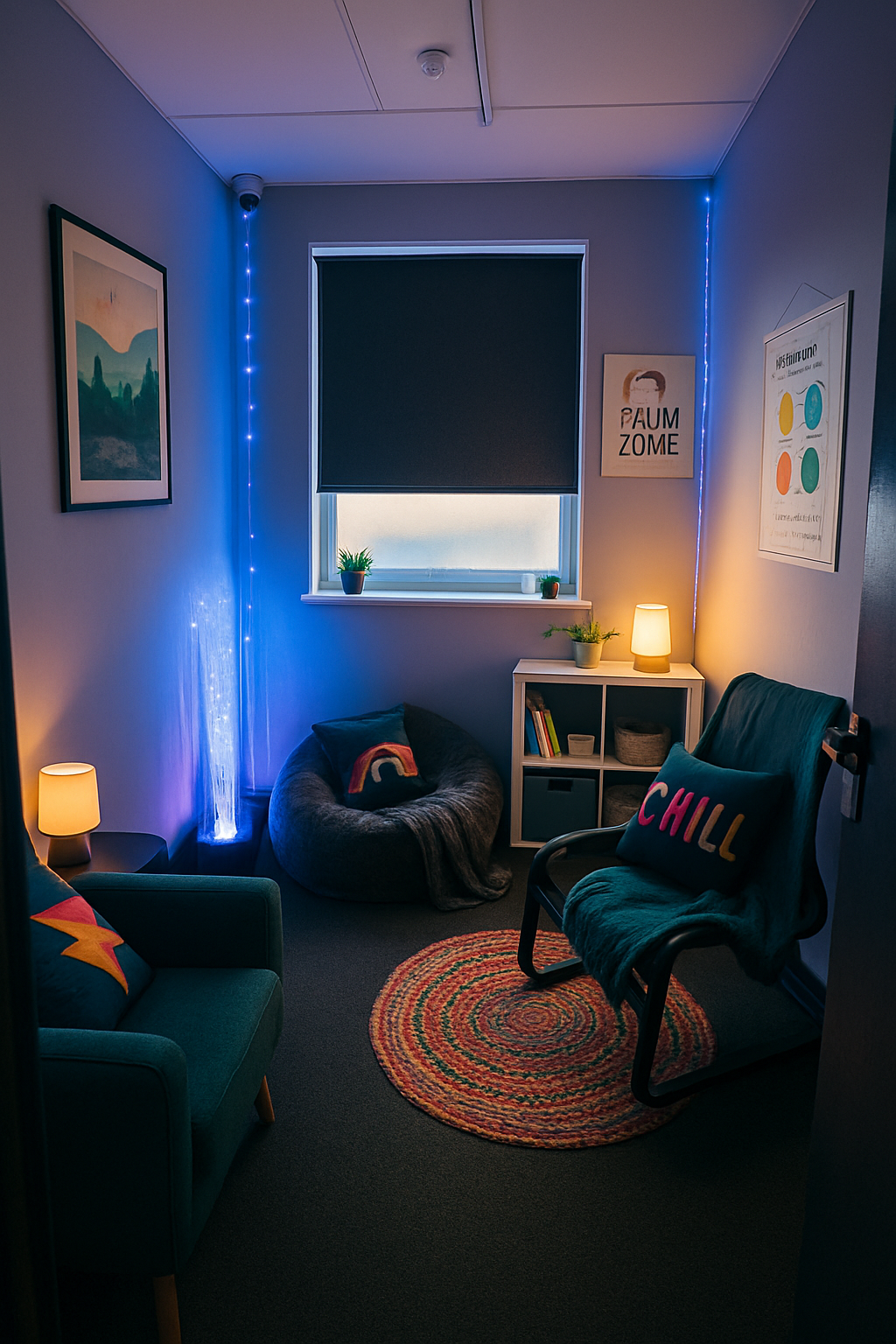
Our classrooms are carefully designed to support comfort, calm and choice. We use biophilic design principles and sensory-informed environments to reduce stress and promote engagement.
Features include:
Soft furnishings such as rugs, cushions and blankets
Plants and natural elements
Flexible seating (including beanbags, rocking chairs and floor seating)
Height-adjustable desks
Students are encouraged to advocate for themselves, whether that means moving, changing position or choosing a space that helps them learn best.
Calms Spaces and Sensory Support
A range of bespoke wellbeing spaces are available across the school, including quiet areas for students who need time to regulate with support.
Our dedicated activity room includes sensory equipment recommended by professionals, including an occupational therapist, sensory practitioner and educational psychologist.
We use:
Sensory circuits
Structured movement breaks
Individual sensory diets
This allows us to provide responsive, trauma-informed support tailored to each student’s needs.

Enrichment, Experience and the Wider World
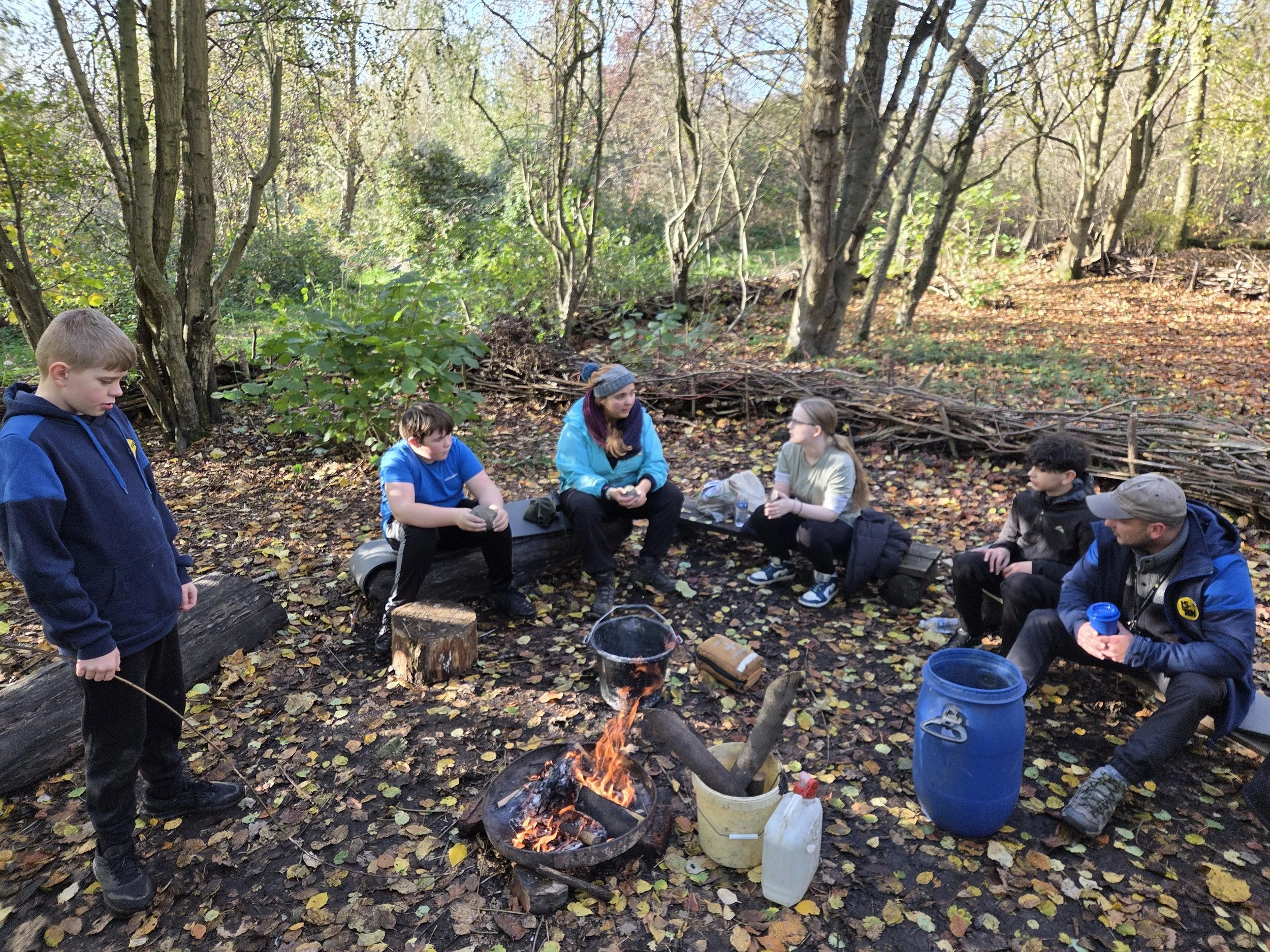
Through our weekly “Projects” lessons students access a wide range of enriching experiences beyond the classroom.
These may include:
Outdoor activities and physical challenges
Visits to cultural and historical sites
Nature-based experiences
Opportunities to explore the local and wider community
Year 10 and 11 students access work experience placements related to their skills and interests
These experiences are designed to broaden horizons, build confidence and support personal development, helping students to feel connected to the world around them and optimistic about their future.
Therapeutic and Relational Support
We provide integrated therapeutic support through a range of qualified professionals, including Occupational Therapy, Speech and Language Therapy, a counsellor (on site twice weekly) and youth workers delivering targeted interventions.
This specialist input is coordinated by our SENDCo and nurture team, ensuring support is consistent, responsive and tailored to each student’s needs.
Strong relationships underpin everything we do. Every student has a dedicated mentor and key adult, daily check-ins and regular communication between school and home.
Our approach reflects research-informed practice, recognising that consistent relationships and access to specialist support are key to helping young people feel safe, regulate effectively and succeed.
Contact us for more information on our Wellbeing and Personal Development offers including access to counselling support.